Explore six original simulated teaching cases by production, service or business method.
Questions behind the work
Six original classroom scenarios make a learning decision inspectable. Each includes a complete source table or script, two different process/result scenes, an explanation of a revision and a boundary around the conclusion. The materials are authored teaching examples rather than records of actual businesses or customers.
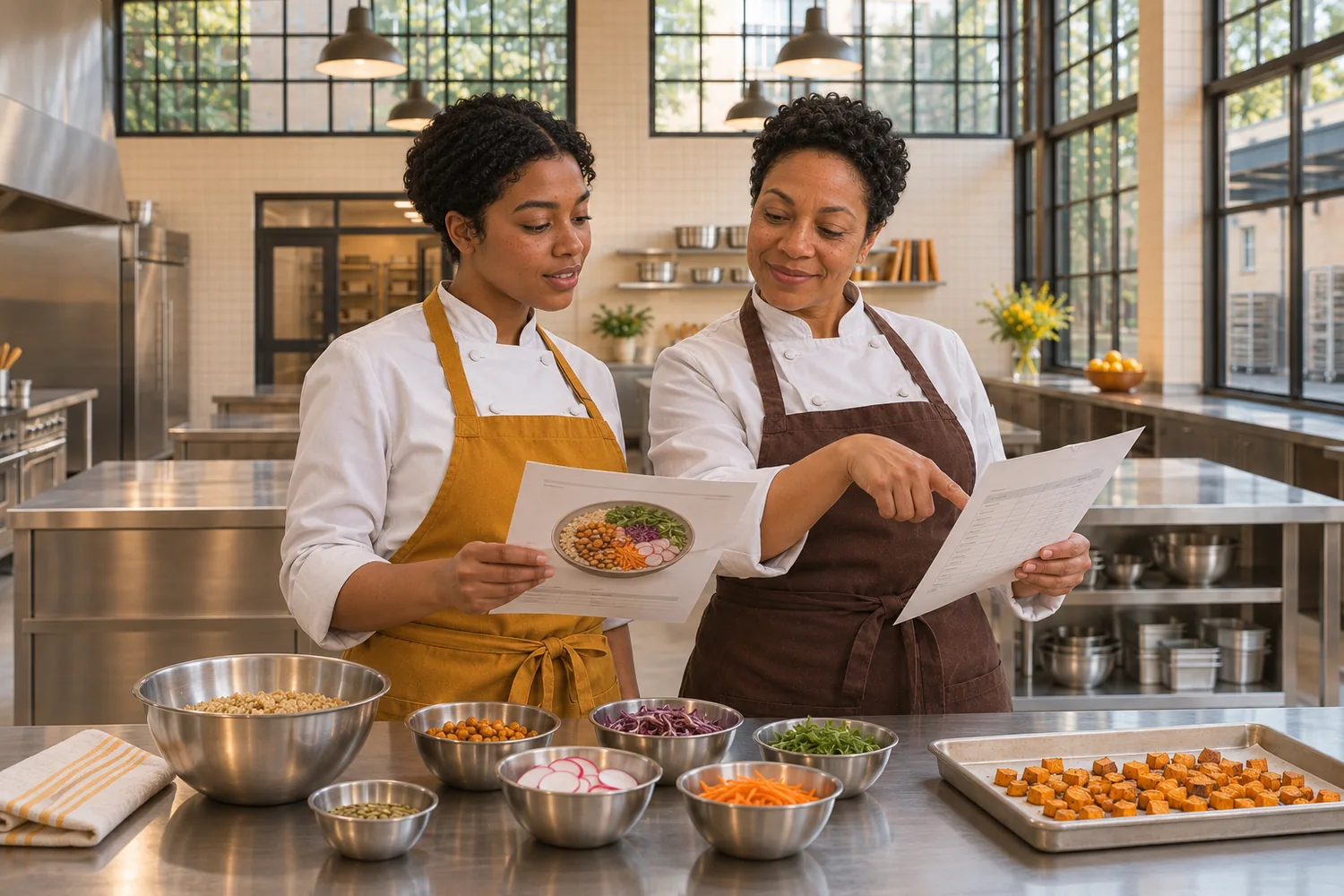
Sienna Cole began with a menu that looked affordable because its selling-price assumption was easy to remember. The teaching brief allowed twenty-four grain bowls, three component groups and a short service exercise. It did not ask her to establish a viable business. Chef Leona Price asked a narrower question: could another learner follow the quantities, understand the difference between planned and served portions, and identify which costs had actually been counted?
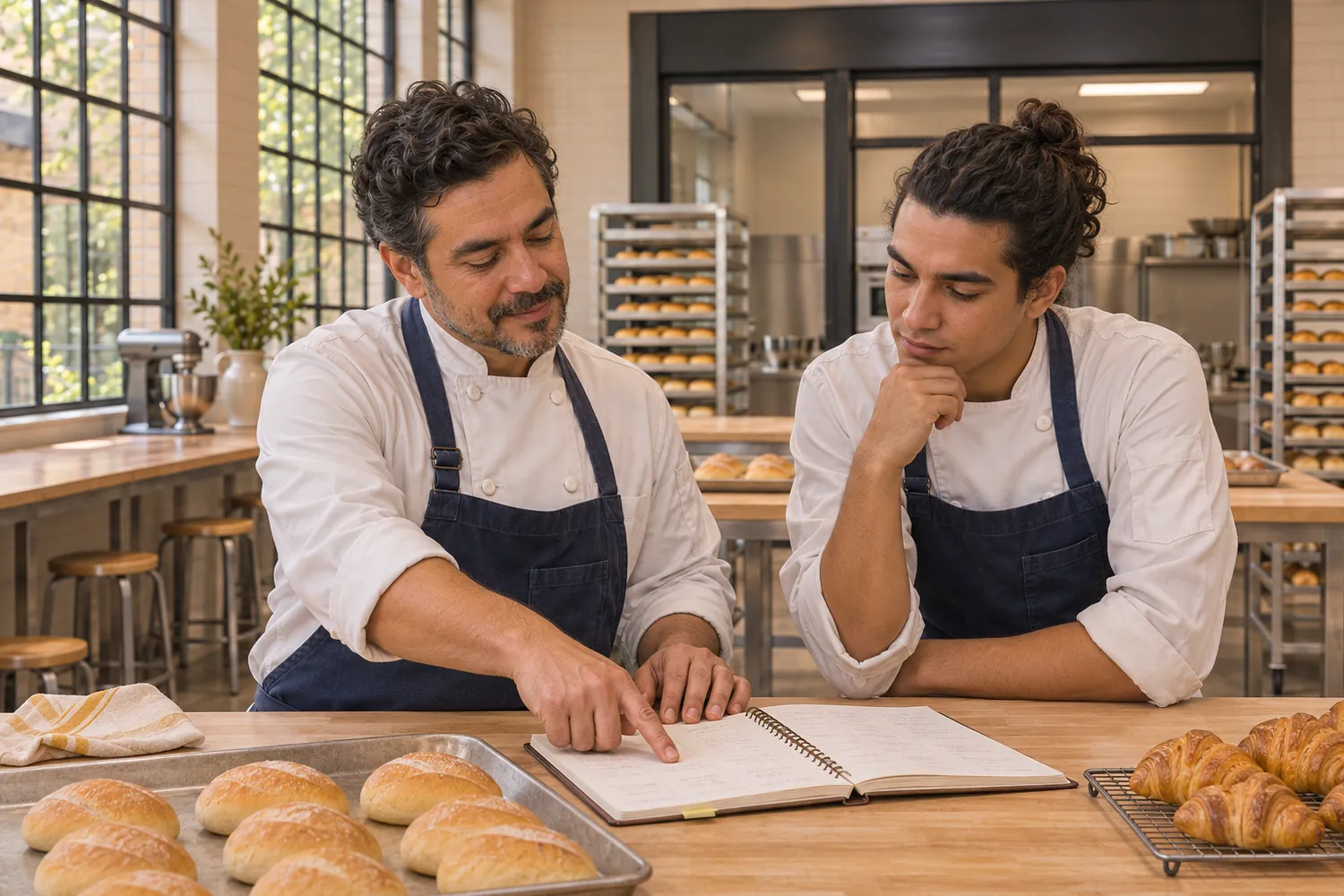
Tomas Velasco's six-batch review began with an attractive group of products and a notebook that was harder to compare than he expected. Each fictional batch had a planned count of twenty-four. The product observations were useful, but the first three entries did not preserve a mixing-record time. Chef Mateo Sanz asked Tomas to explain which comparisons were still possible and which tempting explanations the missing field made impossible to test.
Amira Dorsey noticed that the word waiting did very little work in an instructional handover. It could mean that a simulated room needed confirmation, that a learner had not checked the next step, or that a request had been passed to someone else. In each case the next desk learner had to ask another question before replying. The Hospitality Operations task was to make that uncertainty visible in the document rather than hide it behind a short status label.
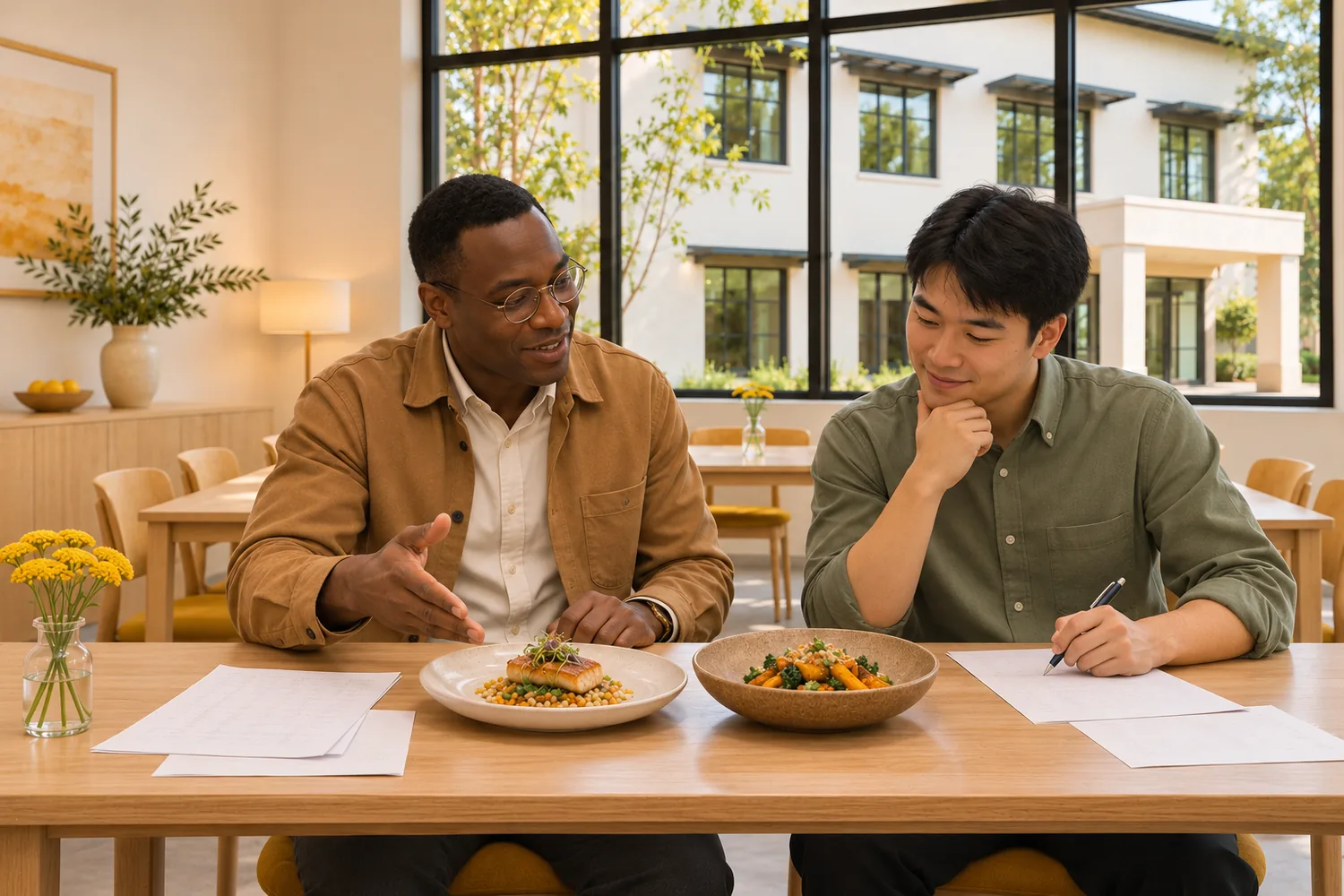
Bennett Cho's first version of a food-enterprise concept included one more menu item because the proposed selling price would be higher. It seemed an obvious improvement until the class separated the additional revenue from the additional material cost. In Menu Contribution, Dr. Colin Adebayo asked Bennett to keep the scenario small enough that every assumption could be inspected. The question became whether a seventy-five-cent price increase covered a ninety-cent addition to the modeled materials.
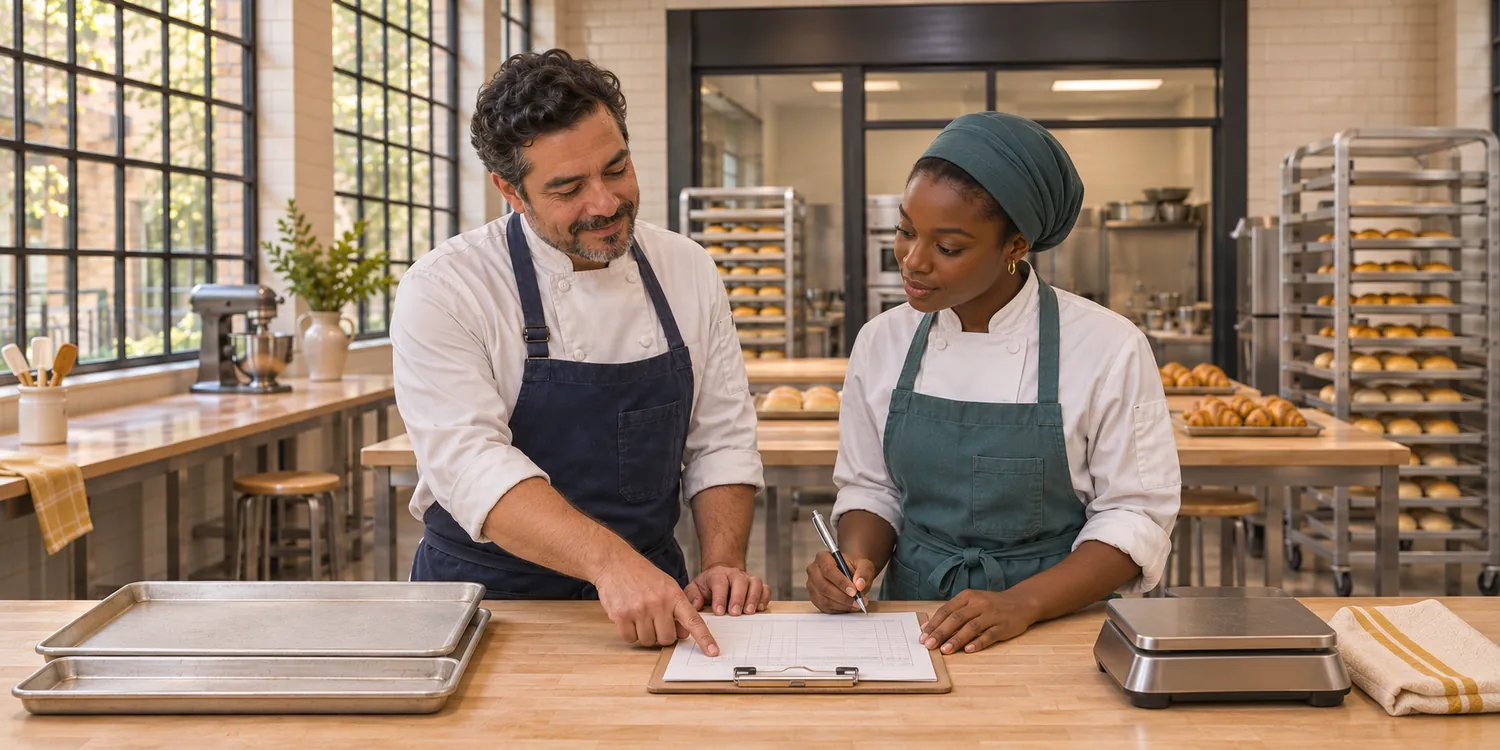
Lucia Nwosu's certificate project concerns a morning production record that another learner can repeat and understand. The original worksheet had one column for items missing from the final display. It combined products that had not been made with products made but excluded from the exercise selection. Chef Mateo Sanz asked Lucia to separate those outcomes before proposing any change to the production sequence. A clean total was not enough if it concealed two different questions.
Elliot Tran's Guest Service Practice assignment begins with a familiar-sounding sentence: it will be ready soon. In the original role-play script, the learner says it before checking what the supplied record actually supports. The sentence is reassuring in tone, but it creates a promise the learner has no authority or evidence to make. Mei Calder asks Elliot to preserve the acknowledgement while changing the claim and the next action.
No records match this combination. Clear the filters to show all records.
Evidence you can read
Exact quantities, units, dialogue and source notes are present in HTML and the downloadable TXT/CSV files. Generated photographs illustrate context and continuity. A persuasive-looking product or desk scene does not establish a measurement or a real customer outcome.