The tool-return record now keeps the next class in view
Teaching Kitchens has revised its shared-tool issue and return record so that a returned item has a clear next status. The instructional change connects the learner who used the equipment with the next supervised class expecting it. It does not create an online reservation system or allow students to authorize their own access.
From the college
Teaching Kitchens has revised its shared-tool issue and return record so that a returned item has a clear next status. The instructional change connects the learner who used the equipment with the next supervised class expecting it. It does not create an online reservation system or allow students to authorize their own access.
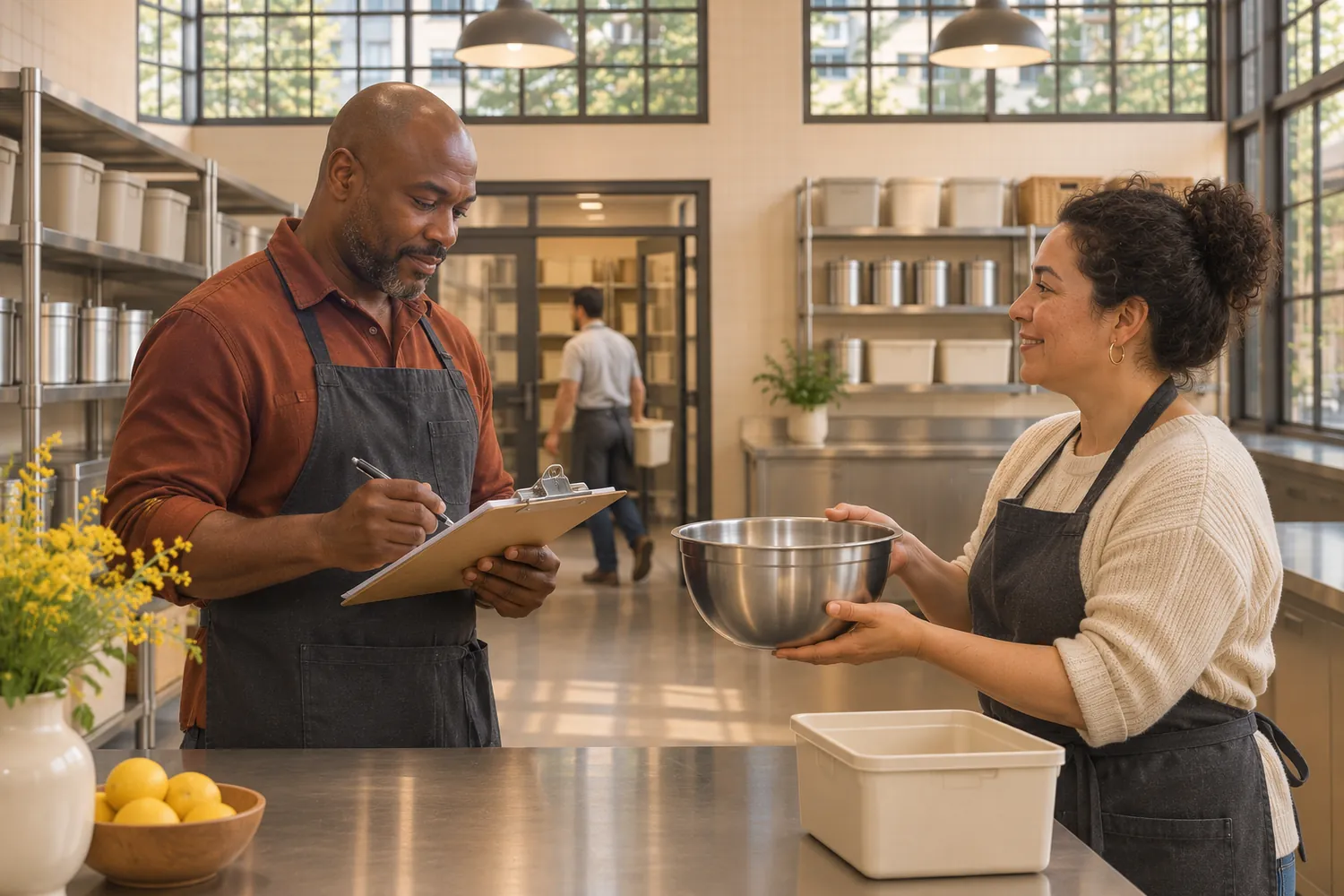
Darius Bellamy, Teaching Kitchens Lead, introduced the record during the autumn practice-readiness sessions. Learners compared a note that only said returned with a note that identified the item, the return location, the receiving staff role and an unresolved check. The second record made the next action easier to find.
The teaching example is fictional and uses no actual equipment availability data. Its purpose is to show how a handover can remain incomplete even when an object has physically changed location. A student can report the state of a loan, but staff still determine whether an item can be issued for another session.
The revised form keeps the loan identifier, assigned teaching group, agreed return point and staff review together. If a detail is uncertain, the learner records the question rather than marking the item ready. The change is consistent with the wider course approach to source records: a tidy status should not hide missing information.
Personal supplies and shared equipment remain separate in the cost information. A first-entry personal allowance covers the specified clothing and basic study items for a route. The program resource charge supports shared teaching materials and facilities. Students are not assumed to purchase expensive professional machinery in order to take the introductory courses.
Tool information on the website explains who to contact, what record to bring and how a schedule concern can be discussed. It does not show live stock, reserve a specific tool or confirm that a learner has completed an instructor readiness check. The Preparation & Stores Room remains a supervised space.
For commuters, Day Commons provides a place for personal belongings and changing before class. It is not an alternative equipment store. A learner whose travel or work commitment makes a published return arrangement difficult should speak to Teaching Kitchens before assuming that a later return has been approved.
The next document review will ask whether another staff role can identify an unresolved loan from the note alone. Instructors will use classroom feedback to revise the example. The aim is an accountable teaching handover, with the original issue and the next check still visible, rather than a page that suggests equipment is always available.